In 2026, UI/UX design trends are increasingly influenced by artificial intelligence, immersive technologies, accessibility standards, and changing user expectations. Businesses are focusing on digital experiences that not only look appealing but also solve real problems, boost engagement, and support growth.
From AI-powered personalization to human-centered design, these emerging trends are changing how websites, mobile applications, and digital products are designed and developed.
In this article, we explore 10 important UI/UX design trends shaping 2026 and explain how businesses can use them to create better digital experiences.
1. AI-Powered Personalization
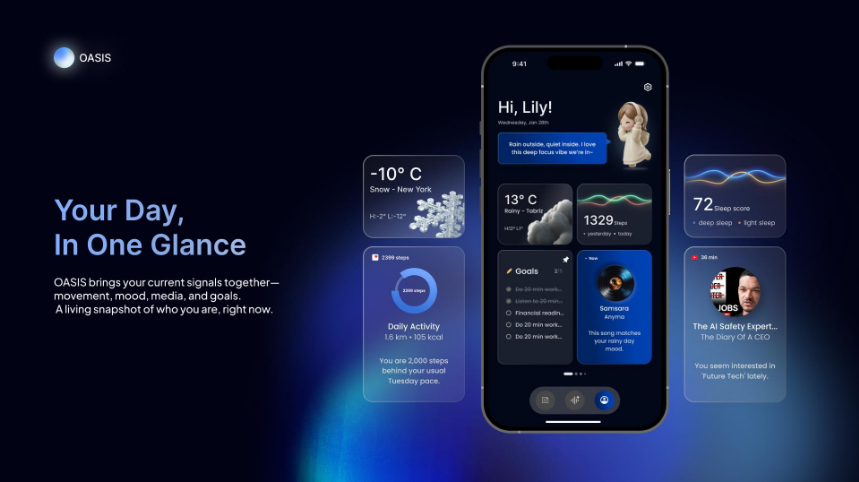
Artificial Intelligence is transforming how users interact with websites, mobile applications, and digital platforms. AI-powered personalization lets digital products understand user preferences, behavior, and interests to deliver more relevant experiences.
Instead of showing the same interface and content to every visitor, modern applications can adapt recommendations, dashboards, and content based on individual user needs.
For example, e-commerce platforms can recommend products based on browsing and purchasing behavior, while SaaS applications can customize dashboards according to user activity.
Businesses can also use AI-driven recommendations and predictive insights to improve the customer journey.
Why AI-powered personalization matters:
- Creates more relevant user experiences.
- Improves customer engagement and retention.
- Helps users discover relevant products and information.
- Supports personalized recommendations.
- Can improve conversion opportunities.
Business takeaway: Businesses should explore AI-powered personalization to create more relevant digital experiences and make customer interactions more meaningful.
2. Minimalist and Clean UI Design
Minimalist design remains an important trend in modern UI/UX. Users prefer interfaces that make information easy to understand without unnecessary visual distractions.
In 2026, designers are focusing on clean layouts, clear typography, balanced spacing, intuitive navigation, and meaningful visual elements.
A minimalist interface does not mean removing every design element. Instead, it means prioritizing the information and actions that matter most to users.
Why minimalist design matters:
- Improves content readability.
- Makes interfaces easier to navigate.
- Reduces unnecessary visual distractions.
- Highlights important actions and information.
- Creates a clean and professional appearance.
Business takeaway: Focus on simplicity, visual hierarchy, and usability rather than adding unnecessary design elements.
3. Dark Mode and Adaptive UI Themes
Dark mode has become a popular feature across websites, mobile applications, and software platforms.
However, modern UI design is moving beyond traditional light and dark themes. Adaptive interfaces let users choose themes based on their preferences and device settings.
Designers are paying closer attention to color contrast, typography, and readability to ensure both light and dark interfaces deliver a consistent experience.
For example, productivity apps and dashboards can offer light and dark themes that users can switch between based on their working environment.
Why adaptive themes matter:
- Give users more customization options.
- Support different viewing preferences.
- Improve visual consistency.
- Provide flexibility across devices and environments.
- Help create a modern interface.
Business takeaway: Consider offering light and dark themes where they improve usability, particularly for dashboards, SaaS products, and mobile applications.
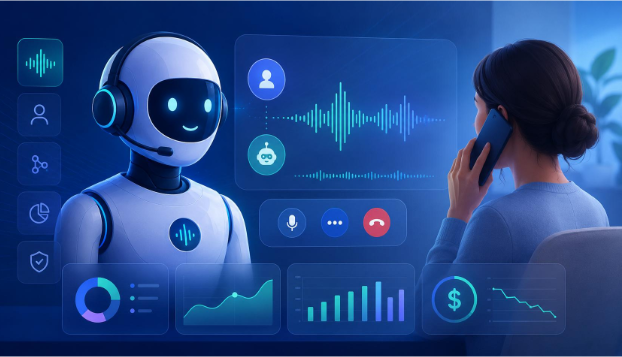
4. Voice Interfaces and Conversational UX
Voice technology and conversational interfaces are changing how people interact with digital products.
Instead of navigating multiple screens or searching through complicated menus, users can communicate with applications through voice commands and AI-powered conversational interfaces.
Voice search, virtual assistants, and AI chatbots are becoming increasingly relevant in customer support, online shopping, and productivity applications.
Why conversational UX matters:
- Makes interactions more natural.
- Reduces navigation effort.
- Supports accessibility.
- Provides faster access to information.
- Creates additional ways to interact with digital products.
Business takeaway: Businesses should identify opportunities to introduce voice interactions and conversational AI where they genuinely improve the customer experience.
5. Immersive Experiences with AR and VR
Augmented Reality (AR) and Virtual Reality (VR) are introducing new possibilities for interactive digital experiences.
These technologies allow businesses to create experiences that go beyond traditional images, videos, and website interfaces.
AR helps customers visualize products in their real-world environment, while VR provides immersive virtual experiences.
For example, furniture retailers can let customers preview products in their homes. Fashion brands can introduce virtual try-on experiences, helping customers understand how products may look before purchasing.
These experiences can be especially valuable for industries where customers benefit from visualizing products or environments before deciding.
Why AR and VR matter:
- Create engaging digital experiences.
- Help customers understand products.
- Improve product visualization.
- Support more informed purchasing decisions.
- Introduce innovative ways to interact with brands.
Business takeaway: Consider AR and VR when they solve a genuine customer problem, particularly in retail, real estate, education, and product visualization.
6. Accessibility-First UI/UX Design
Accessibility is essential to modern digital product design. Websites and applications should provide usable experiences for people with different abilities and requirements.
In 2026, businesses are paying greater attention to accessible typography, sufficient color contrast, keyboard navigation, screen reader compatibility, and clear interface structures.
For example, accessible forms should provide clear labels, understandable error messages, and keyboard-friendly interactions.
Designers should also consider users with visual, hearing, motor, and cognitive accessibility requirements when planning digital experiences.
Following recognized accessibility guidelines, such as the Web Content Accessibility Guidelines (WCAG), helps businesses create more inclusive digital products.
Why accessibility-first design matters:
- Makes digital products more inclusive.
- Improves usability for a wider audience.
- Supports assistive technology users.
- Improves navigation and content clarity.
- Helps businesses build more accessible websites and applications.
Business takeaway: Include accessibility considerations from the beginning of the design process instead of treating them as a final development checklist.
7. 3D Elements and Realistic Visual Experiences
Three-dimensional elements are becoming increasingly popular in modern website and application design.
From interactive product models to realistic illustrations, 3D visuals can help brands present information more engagingly.
For example, technology companies can use interactive 3D product models to demonstrate product features, while e-commerce brands can offer more detailed product visualization.
However, use 3D elements strategically. Large models, complex animations, and unoptimized assets can slow load times and hurt usability.
Why 3D design matters:
- Creates memorable visual experiences.
- Improves product presentation.
- Adds depth and visual interest.
- Helps brands communicate complex concepts.
- Creates opportunities for interactive experiences.
Business takeaway: Use optimized 3D elements where they add genuine value to product presentation and user understanding.
8. Sustainable and Performance-Focused Web Design
Website performance is an important part of user experience. Slow-loading pages, oversized images, and unnecessary animations can frustrate visitors and increase resource consumption.
Modern UI/UX design increasingly considers performance and efficiency during design and development.
Designers and developers are focusing on lightweight websites, optimized images, efficient animations, responsive layouts, and reduced unnecessary scripts.
Performance-focused design can improve the browsing experience while reducing unnecessary data usage and resource consumption.
Why performance-focused design matters:
- Improves website loading speed.
- Creates smoother browsing experiences.
- Reduces unnecessary data usage.
- Supports better mobile experiences.
- Contributes to a more efficient digital product.
Business takeaway: Combine good visual design with performance optimization to create websites that are both attractive and fast.
9. Emotion-Driven and Human-Centered Design
Modern UI/UX design is moving beyond functionality and focusing more on how users feel while interacting with digital products.
Human-centered design starts by understanding user needs, expectations, challenges, and behavior.
Designers use meaningful content, appropriate color choices, thoughtful illustrations, intuitive navigation, and personalized experiences to create stronger emotional connections between users and brands.
For example, a financial application that explains complex information using simple language and clear visualizations can make users feel more confident and comfortable.
Similarly, friendly messaging and helpful feedback can make everyday interactions more enjoyable.
Why human-centered design matters:
- Builds stronger brand connections.
- Improves customer trust.
- Makes products easier to understand.
- Creates memorable digital experiences.
- Encourages long-term user engagement.
Business takeaway: Design around real user needs instead of focusing only on visual appearance or technology.
How Businesses Can Prepare for the Future of UI/UX Design
Not every business needs to follow every new design trend. The most effective approach is to identify trends that support your business goals and improve your target audience's experience.
Here are some practical steps businesses can consider:
- Understand your users' expectations and behavior.
- Improve existing website interfaces like navigation, layouts, content structure, and mobile usability.
- Explore AI opportunities
- Optimize performance. Focus on loading speed, responsive design, and efficient digital experiences.
- Measure user experience: Use analytics, usability testing, and customer feedback to identify improvement opportunities.
A successful UI/UX strategy combines thoughtful design, appropriate technology, and a clear understanding of user needs.
Frequently Asked Questions
1. What are the biggest UI/UX design trends in 2026?
Key UI/UX design trends in 2026 include AI-powered personalization, minimalist interfaces, adaptive themes, conversational UX, AR/VR experiences, micro-interactions, accessibility-first design, 3D visuals, performance-focused design, and human-centered experiences.
2. How is AI changing UI/UX design?
AI helps designers and businesses create more personalized digital experiences through intelligent recommendations, adaptive interfaces, conversational assistants, and behavior-based content.
3. Why is accessibility important in UI/UX design?
Accessibility helps ensure that people with different abilities can use websites and applications. It improves usability, supports assistive technologies, and helps businesses create more inclusive digital experiences.
4. Is minimalist web design still relevant in 2026?
Yes. Minimalist design remains relevant because it prioritizes clarity, readability, visual hierarchy, and ease of navigation. The goal is to remove unnecessary distractions while keeping important information and functionality accessible.
5. How can businesses improve their website's UI/UX?
Businesses can improve UI/UX by simplifying navigation, improving mobile responsiveness, optimizing page performance, using clear calls to action, following accessibility guidelines, and conducting regular usability testing.
6. How much does professional UI/UX design matter for business growth?
Good UI/UX design can help businesses improve usability, build customer trust, reduce friction in user journeys, and create better digital experiences.
Conclusion: Build Better Digital Experiences in 2026
The future of UI/UX design focuses on creating smarter, simpler, more accessible, and human-centered digital experiences.
From AI-powered personalization to immersive technologies and performance-focused design, these trends are changing how businesses connect with their customers.
At Vision Vivante, we combine creative product design, modern technology, and software engineering to help businesses build intuitive websites, mobile applications and digital products.
Let's turn your ideas into impactful digital solutions with Vision Vivante – Engineering with Intent.